Have you ever wondered about the hidden journey of your favorite cocktail? These aren’t just drinks; they are liquid narratives born from ingenuity, cultural shifts, and, often, sheer serendipity. They’re living legacies, reflecting their eras and the brilliant minds who created them. Join me as we delve into the fascinating origins, profound cultural impact, and remarkable evolution of truly timeless cocktails, deepening our appreciation for every sip.
The Martini: Elixir of Sophistication
The Martini, a sleek, crystal-clear icon, is arguably the undisputed monarch of cocktails. It’s a statement embodying cool sophistication, its widespread appeal stemming from both taste and mystique. Did it originate in Martinez, California, or New York City? Regardless, it transformed from a sweeter precursor into the crisp, dry elixir we know, adapting effortlessly while retaining its inherent elegance.
Its history traces to mid-19th-century “Martinez” or “Gin Cocktail” predecessors. As palates shifted, dry vermouth gained prominence. The Martini truly flourished during America’s tumultuous Prohibition era (1920-1933), becoming a symbol of sophisticated indulgence in clandestine speakeasies. Post-Prohibition, its popularity exploded. Figures like “Professor” Jerry Thomas influenced its early recipes. Over the decades, the gin-to-vermouth ratio increased, leading to progressively “drier” versions, even famously inspiring Winston Churchill’s near-vermouth-less preference. This adaptability has cemented its status as a truly timeless classic.
Crafting the Classic Martini
Making a classic Dry Martini is an exercise in elegant simplicity. For purists, it’s a stirred drink, preserving clarity and silky texture. Quality ingredients are paramount: a good London Dry Gin (the soul of the drink) and Dry Vermouth (the unsung hero, adding subtle herbal complexity).
The ritual is precise:
- Chill Your Glass: Non-negotiable; ensures crispness.
- Combine and Stir: In a mixing glass (never a shaker!), combine gin and dry vermouth (classic 2:1 ratio, or dry up to 8:1). Add generous fresh ice. Stir patiently (30-60 seconds) until frosted and perfectly diluted.
- Strain and Garnish: Strain into the chilled glass. Garnish with a green olive (for a briny note) or a lemon twist (expressed over the drink for a pleasant aroma).
The result is a sublime, crystal-clear elixir, a testament to pure, unadorned elegance that respects its ingredients.
Modern Martini Twists and Trends
The Martini’s timelessness lies in its profound ability to inspire constant reinterpretation. Modern mixology leverages its fundamental DNA to create a vibrant landscape of twists and variations. The popular Espresso Martini, though a modern invention, cleverly utilizes the “Martini” name due to its serving vessel and sophisticated aura, swapping gin and vermouth for vodka, coffee liqueur, and espresso. The Dirty Martini adds olive brine for a savory, briny kick.
Beyond these, contemporary bartenders push boundaries, exploring diverse base spirits like tequila or mezcal. The world of vermouth offers more styles, and exotic bitters (celery, chocolate) add depth. Garnishes go beyond olives to pickled onions or fresh herbs. Some infuse spirits in-house or use different chilling techniques. This vibrant experimentation, balanced with a deep understanding of the classic’s heritage, showcases the Martini’s enduring appeal, proving that even a patriarch of cocktails can still learn new tricks.
The Negroni: Italy’s Bitter-Sweet Masterpiece
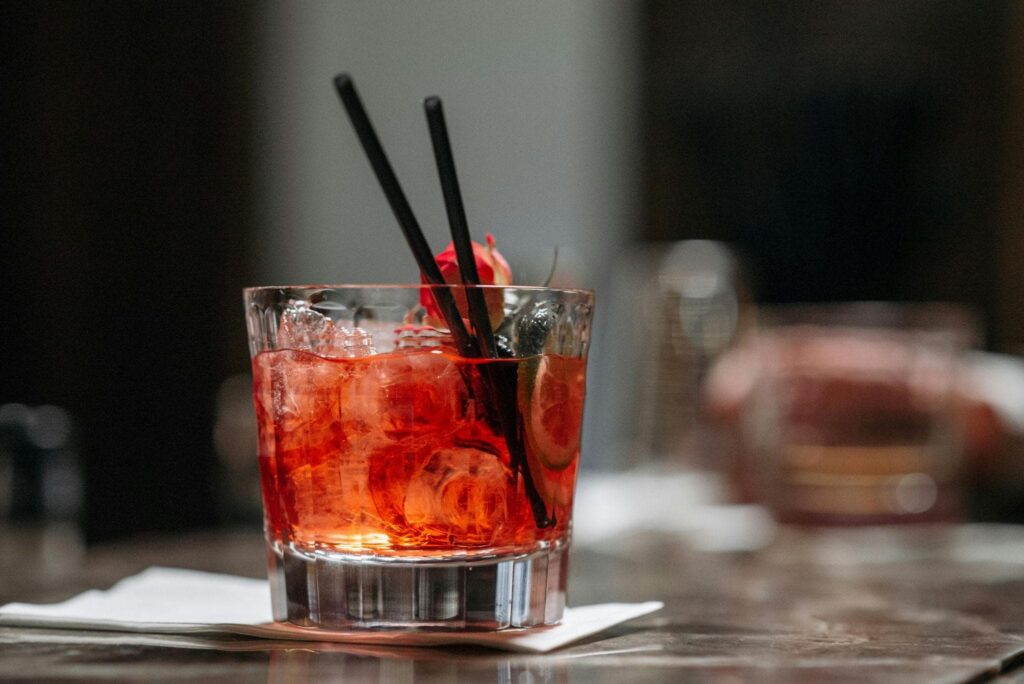
The Negroni, with its distinct crimson hue, is a bold and beautifully balanced Italian aperitivo that captivates palates worldwide. This seemingly simple equal-part cocktail (gin, Campari, sweet vermouth) offers a fascinating dance between bitter, sweet, and botanical notes. It’s an acquired taste for some, particularly due to Campari’s bracing bitterness, but once hooked, there’s no going back. It embodies the spirit of Italian leisure, signaling the graceful transition to aperitivo hour. Its vibrant color makes it a visual standout, inviting contemplation and savoring. Far from a fleeting trend, the Negroni’s balanced profile has cemented its status as a truly timeless classic.
The Count’s Concoction: Negroni’s Origins
The Negroni boasts a delightfully clear creation story dating back to Florence, Italy, around 1919. The protagonist, Count Camillo Negroni, a flamboyant regular at Caffè Casoni, is rumored to have been a rodeo clown in the American Wild West. The Count, desiring a stronger Americano (Campari, sweet vermouth, soda), asked bartender Fosco Scarselli to fortify it. Instead of soda, Scarselli substituted gin, garnishing it with an orange slice to distinguish it.
Thus, a legend was born. The new drink quickly gained popularity among the Count’s social circle, soon known simply as the “Negroni.” It perfectly captured the essence of the burgeoning Italian aperitivo culture—a pre-dinner ritual for lively conversation. This precise origin firmly rooted the Negroni in early 20th-century Italy, a testament to how a simple request from a colorful character can lead to a sensation enduring over a century.
The Essential Negroni Recipe
The Negroni’s beauty lies in its utter simplicity and divine balance. It’s a “perfect tripartite” cocktail: three distinct ingredients, each in equal measure. This elegant ratio is key to its distinctive flavor and enduring appeal, proving that quality ingredients in harmony create something exceptional.
Here’s the straightforward blueprint:
- Ingredients:
- 1 ounce (30ml) Gin: Provides a crisp, botanical backbone.
- 1 ounce (30ml) Campari: The iconic Italian bitter aperitif provides signature crimson color and bracing bitterness.
- 1 ounce (30ml) Sweet Red Vermouth: Adds sweetness, fruit, and aromatic complexity, balancing Campari.
- Orange peel for garnish.
- Ice.
- Preparation:
- Chill Your Glass: Crucial for spirit-forward cocktails.
- Combine Ingredients: In a mixing glass, combine gin, Campari, and sweet vermouth.
- Add Ice and Stir. Fill generously with large ice cubes. Stir gently (30-45 seconds) to chill and dilute, allowing the flavors to marry.
- Strain and Garnish: Strain over a large fresh ice cube. Twist the orange peel over the drink to express its oils, then drop it in.
The result is a beautifully balanced, spirit-forward cocktail with a captivating bitter-sweet profile—elegant, potent, and endlessly approachable.
Negroni Variations and the Modern Revival
The classic Negroni’s simple, brilliant structure has made it fertile ground for creativity, fueling its modern revival. Its adaptability, while respecting roots, is key to its explosive popularity among a new generation.
The most famous variation is the Boulevardier, which substitutes whiskey (typically bourbon or rye) for gin, resulting in a richer, warmer, and spicier American take. The delightful Negroni Sbagliato (“mistaken” in Italian) reportedly originated when a bartender accidentally used sparkling wine instead of gin, resulting in a lighter, effervescent version.
Beyond these, contemporary mixologists push boundaries with “White Negronis” (lighter aperitifs featuring Campari and Lillet Blanc instead of vermouth) for a floral, less bitter experience. Aged Negronis mellow in oak barrels, developing deeper notes. Bartenders explore diverse vermouths, alternative bitters (such as chocolate and coffee), and various gins, pushing the boundaries of flavor. This vibrant experimentation, balanced with classic heritage, has catapulted the Negroni to a global phenomenon, proving that a great concept can inspire endless delightful interpretations.
The Old Fashioned: A True Cocktail Patriarch
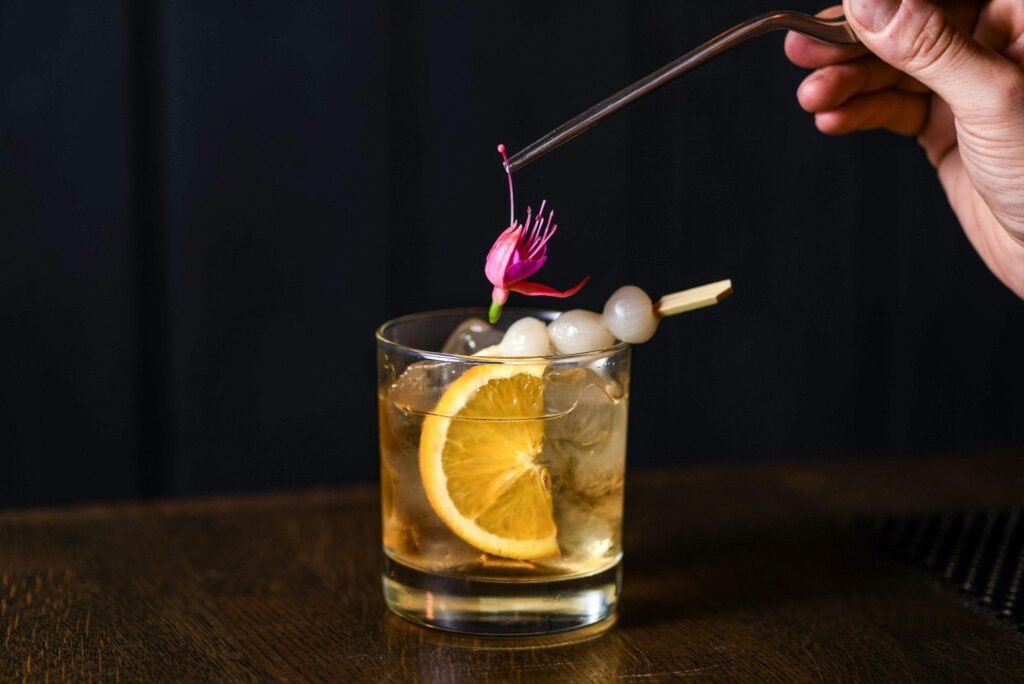
If the Martini is king, the Old Fashioned is its venerable patriarch, embodying the very definition of a “cocktail”: spirits, sugar, bitters, and water. It’s the original blueprint, celebrating core elements without frills. Whiskey lovers flock to this comfort classic because it strips away pretension, allowing the whiskey’s rich flavors to shine, subtly enhanced by sweetness and aromatic bitters. Its deep historical roots give it gravitas; sipping an Old Fashioned is a ritual, connecting us to generations who appreciate its unwavering consistency. This drink respects its core components, proving that sometimes, the simplest things are indeed the most profound and enduring.
The Genesis of the Old Fashioned
The story of the Old Fashioned is, in many ways, the story of the cocktail itself. Its origins trace back to the early 19th century in America when a “cocktail” was formally defined as “spirits of any kind, sugar, water, and bitters.” When made with whiskey, it was simply a “Whiskey Cocktail.”
The “Old Fashioned” moniker emerged later in the 19th century as the art of mixology evolved. Patrons, weary of new embellishments, would ask for their Whiskey Cocktail “old fashioned”—a direct request for tradition. One frequently cited origin places its invention at the prestigious Pendennis Club in Louisville, Kentucky, where a bartender allegedly created it for Colonel James E. Pepper, who introduced it to New York’s Waldorf-Astoria Hotel. Early recipes in bartending guides solidified its place. It’s a humble yet powerful origin, reflecting a time when drinks prioritized the harmonious marriage of core flavors—a philosophy that still defines their appeal.
Crafting the Archetypal Old Fashioned
Making an Old Fashioned demands meticulous attention and respect for its fundamental components. It’s a stir-only affair, designed to gently blend and chill without excessive dilution, allowing the spirit to shine truly.
Here are the essential components for this beacon of elegant simplicity:
- Whiskey: The star. Traditionally, Bourbon (sweeter, caramel) or Rye (spicier, drier). Choose a high-quality spirit that you enjoy neat.
- Sugar: A sugar cube (one teaspoon) or simple syrup (¼-½ oz), depending on preference.
- Bitters: Angostura Bitters are non-negotiable (2-3 dashes) for complex bitterness.
- Water: Add a small splash (~1 tsp) to dissolve the sugar and kick-start the dilution.
The process:
- Muddle the Base: In an old-fashioned glass, muddle sugar (or stir in simple syrup) with bitters and water to form a paste.
- Add Whiskey and Ice: Pour 2 oz (60ml) whiskey over the base. Fill generously with large, fresh ice cubes for slow melting.
- Stir Patiently: Stir gently (30-60 seconds) to chill and dilute ideally.
- Garnish: A large orange peel twist, expressed over the drink for aroma, then dropped in.
The Archetypal Old Fashioned is understated brilliance: simple yet profoundly satisfying, allowing whiskey’s true character to shine.
Old Fashioned’s Contemporary Interpretations
The Old Fashioned, despite its name, is far from stuck in the past. Its straightforward structure makes it a prime canvas for modern mixologists. They pay homage to tradition while pushing the boundaries of flavor, keeping this centuries-old drink perpetually relevant.
One impactful interpretation involves varying the base spirit. Beyond bourbon and rye, Old Fashioneds are crafted with smoky rum, herbaceous tequila, or aged brandies, each of which alters the drink’s profile. Bitters are another playground: artisan orange bitters or rich chocolate bitters add new dimensions. Sweeteners vary from demerara to maple syrup.
Advanced techniques include popular Smoked Old Fashioneds, where wood chips infuse a smoky aroma. Large, crystal-clear ice cubes are mandatory for slow melting. This meticulous attention to detail showcases the Old Fashioned’s enduring appeal and its ability to adapt to contemporary palates, proving that even a patriarch can continue to surprise.
The Margarita: Mexico’s Zesty Export
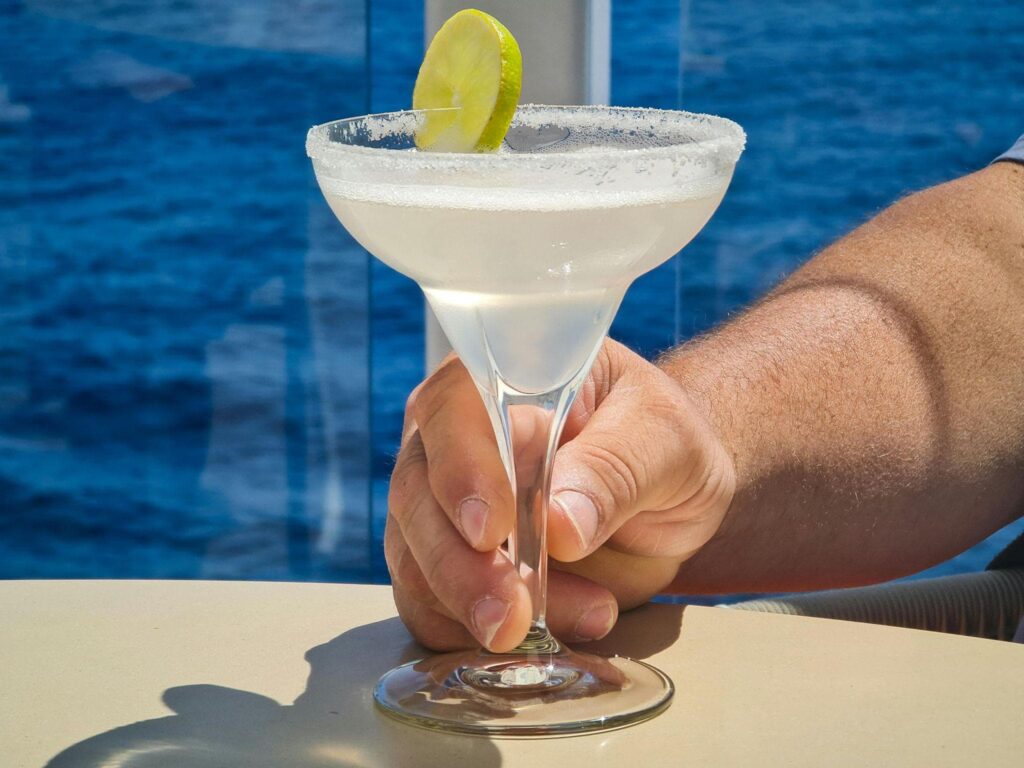
The Margarita instantly conjures vivid images of sun-drenched beaches and vibrant fiestas. Arguably the most popular tequila-based cocktail globally, Mexico’s zesty liquid export boasts a perfect, irresistible trifecta: sweet, sour, and a touch of savory from the optional salt rim. It’s more than a drink; it’s the quintessential party starter, a liquid embodiment of joy, making it universally appealing.
Its exact origins are wonderfully disputed, adding to its legendary status. Most credible stories place its birth in the mid-20th century along the U.S.-Mexico border, evolving from earlier “Daisy” style cocktails. Tales credit bartenders like Carlos “Danny” Herrera or Francisco “Pancho” Morales, as well as socialites like Margarita Sames. Regardless of the delightful mystery, the Margarita rapidly spread its zesty charm globally. Margarita Mania has led to endless modern variations, from Frozen Margaritas to fruit-infused (strawberry, mango) or spicy jalapeño versions, ensuring it remains dynamic and celebrated.
The Classic Margarita Recipe
To truly appreciate the Margarita in its purest, most vibrant form, return to its classic, unadulterated recipe. Forget sweet, pre-mixed versions; the traditional Margarita is beautifully balanced, refreshing, and genuinely complex, a testament to how three simple elements perfectly combine.
Here’s the standard blueprint for liquid sunshine:
- Ingredients:
- 2 ounces (60ml) Tequila Blanco: Crucial for clean, vibrant agave notes.
- 1 ounce (30ml) Fresh Lime Juice: Non-negotiable for zesty acidity.
- ¾ to 1 ounce (22-30ml) Orange Liqueur: Adds sweetness and aroma (Cointreau or Triple Sec).
- Salt (for rim, optional but iconic).
- Lime wedge or wheel for garnish.
- Ice.
- Preparation:
- Prepare the Rim (Optional): Moisten the glass rim with lime, then invert onto coarse salt.
- Combine Ingredients: In a shaker, combine tequila, lime juice, and orange liqueur.
- Add Ice and Shake: Fill generously with fresh ice. Shake vigorously (15-20 seconds) until frosted and aerated.
- Strain and Garnish: Strain into the prepared glass. Garnish with a fresh lime wedge.
The result is a zesty, refreshing, perfectly balanced cocktail, proving why the Margarita is a global favorite.
Margarita Mania: Modern Variations
The classic Margarita’s versatility has spawned an endless array of modern variations, transforming it into a cocktail chameleon. Margarita Mania is a vibrant phenomenon, driven by bartender creativity and drinkers’ desire for new flavors, keeping the Margarita perpetually fresh and exciting.
The most famous departure is the Frozen Margarita, an icy, dessert-like escape that is popular in warmer climates. Beyond temperature, fruit-infused Margaritas are incredibly popular, offering a kaleidoscope of flavors with berries (such as raspberry and blackberry) or tropical fruits (like mango and passion fruit). For a fiery kick, spicy jalapeño or habanero Margaritas are a huge trend.
Tequila choice also offers depth, with Reposado or Añejo adding complexity. Bartenders experiment with different orange liqueurs or other liqueurs, homemade syrups, and creative garnishes (chile-lime salt rims, edible flowers). This constant innovation ensures the Margarita remains dynamic and universally celebrated.
The Mojito: Cuba’s Minty Refreshment
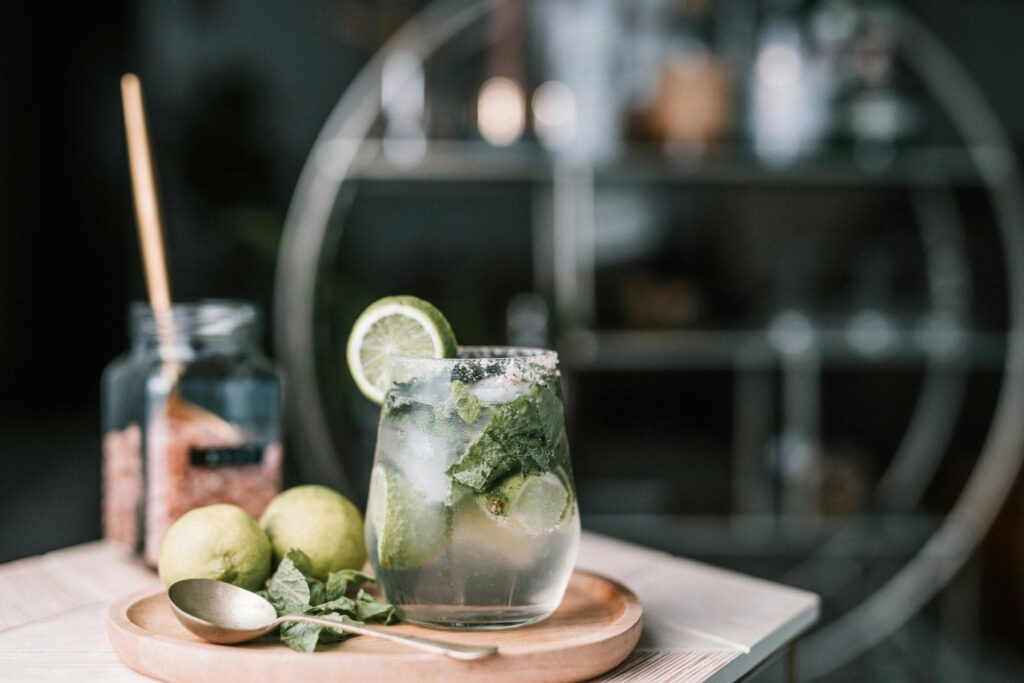
The Mojito is a quintessential Cuban cocktail, an irresistible blend of fresh mint, zesty lime, sugar, white rum, and soda. It’s a complete sensory escape, transporting you to Havana’s sun-drenched streets. Its appeal lies in its effortless, orchestrated balance: sweet yet not cloying, tart yet not overwhelmingly sour, herbaceous yet not medicinal. The gentlemanly muddling of the mint is crucial, releasing its essential oils without bitterness. It evolved from a humble tonic into a universally adored symbol of tropical refreshment. Its history is tied to Cuba’s spirit, representing leisurely afternoons and vibrant evenings. This delightful concoction’s freshness has proven its timelessness.
Mojito’s Ancient Roots and Cuban Heritage
The Mojito’s story is deeply interwoven with Cuba’s vibrant history, stretching back centuries. Its origins are ancient, evolving from a medicinal tonic. The tale begins in 16th-century Cuba, possibly linked to Sir Francis Drake’s crew. Legend says “El Draque,” a crude precursor (aguardiente, mint, lime, sugar), was used to combat scurvy.
Over centuries, refined rum replaced harsh aguardiente. By the 19th and early 20th centuries, it gained popularity in Havana’s social scene, notably at La Bodeguita del Medio. This evolution from a survival tonic to a cherished cocktail showcases Cuban ingenuity. The Mojito isn’t just a drink; it’s a taste of Cuba’s enduring spirit and rich heritage.
Crafting the Perfect Mojito
Crafting the perfect Mojito is an art, bringing meticulous attention to fresh ingredients and a gentle touch. It’s about coaxing complex flavors out delicately, ensuring harmony. Key to its invigorating appeal is the balance of sweetness, tartness, herbaceous notes, and effervescence.
Here’s a detailed guide:
- Ingredients:
- 2 ounces (60ml) White Rum: Light and crisp, with a Cuban-style character.
- 1 ounce (30ml) Fresh Lime Juice: Non-negotiable for vibrant acidity.
- 2 teaspoons Granulated Sugar (or ½ oz / 15ml simple syrup).
- 8-10 Fresh Mint Leaves: Gently bruise, but avoid pulverizing.
- Soda Water: For effervescence.
- Crushed Ice: Ideal for chilling and dilution.
- Mint sprig and lime wheel or wedge for garnish.
- Preparation:
- Mint & Sugar/Lime Base: In a highball glass, add mint, sugar (or syrup), and lime juice.
- Gentle Muddle: Gently press mint to release oils; avoid bitterness.
- Add Rum: Pour rum. Stir briefly to dissolve sugar.
- Fill with Ice: Fill the glass with crushed ice.
- Top with Soda Water: Top lightly.
- Gentle Stir & Garnish: Stir gently. Garnish with a fresh mint sprig and a lime wedge.
The result is an incredibly refreshing, aromatic, and perfectly balanced cocktail that transports the senses to paradise.
Mojito’s Contemporary Innovations
The classic Mojito’s adaptable framework has led to delightful contemporary innovations, keeping it vibrant and exciting. Bartenders constantly experiment with new flavors and presentations.
Popular innovations include fruit-infused Mojitos with berries (such as raspberry or blackberry) or tropical fruits (like passion fruit or mango), which are muddled directly for added sweetness and color. Adventurous mixologists explore different rums, such as lightly aged rums for depth or rhum agricole for its herbaceous notes. There’s a trend towards homemade syrups infused with botanicals or spices. Some establishments even experiment with different mint varieties (such as chocolate mint and basil) to create unique aromatic profiles. These innovations, balanced with classic heritage, demonstrate Mojito’s versatility, proving that a centuries-old classic can still surprise.
The Evolution of Mixology and Timeless Classics
It’s fascinating how these timeless cocktails—Martini, Negroni, Old Fashioned, Margarita, and Mojito—have endured amidst the frenetic landscape of modern mixology. They stand firm like venerable oak trees, defying fleeting fads. Their persistence stems from fundamental truths about their construction and adaptability.
Their fundamental balance is paramount: each classic achieves a perfect harmony of sweet, sour, bitter, and spirit, making them endlessly versatile canvases for innovation. Modern mixology embraces them, using them as launchpads. Contemporary bartenders with encyclopedic knowledge pay deep homage to tradition while fearlessly pushing creative boundaries. The global resurgence of “classic cocktail culture” testifies to this as bars rediscover and celebrate these foundational drinks. Bartenders research historical recipes and innovate, blending insights with modern techniques to create new cocktails.
Here are some key factors contributing to their timelessness and how modern mixology techniques contribute to their continuous evolution:
- Simplicity of Core Ingredients: Accessible, high-quality spirits, liqueurs, and fresh citrus.
- Adaptability to Palate Shifts: Easy adjustments for sweetness, bitterness, and acidity.
- “Gateway” Cocktails: Introductions to spirit categories.
- Storytelling and Cultural Resonance: Rich history and cultural significance.
- Technique as Art: Emphasis on proper stirring, shaking, and muddling.
- Ingredient Innovation: Access to craft spirits, artisan bitters, and exotic produce.
- Technological Advancements: Large ice molds, precise tools, smoking guns.
- Sustainability Focus: Utilizing local ingredients and minimizing waste.
These cocktails are not static museum pieces; they are living, evolving entities, continually redefined and passionately appreciated, proving that quality, balance, and a captivating story are the ultimate ingredients for perfection.
Conclusion
As we raise our final glass to this exhilarating journey, it’s clear that drinks like the Martini, Negroni, Old Fashioned, Margarita, and Mojito are far more than mere recipes. They are vibrant, living legacies embodying centuries of human ingenuity, profound social evolution, and the pure joy of a perfectly crafted beverage. Each sip offers a taste of history and a nod to the countless hands that perfected them.
These cultural touchstones reflect the whims, innovations, and necessities of bygone eras. From speakeasies to Cuban cantinas, they’ve witnessed history’s grand tapestry. They teach us invaluable lessons about balance, quality, and simple elegance. Their enduring global presence speaks volumes about their fundamental appeal and ability to transcend fads. We’ve explored their mysterious origins, celebrated their unique characteristics, and seen how modern mixology continues to honor and reinvent them, ensuring their rich stories will be told and passionately tasted for generations to come. Here’s to the timeless classics—the ultimate proof that some things truly do get better with age, consistently delivering that perfect, enduring sip.